










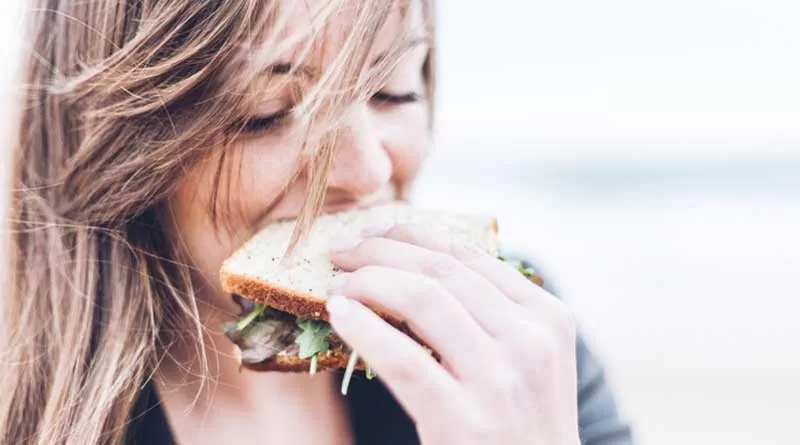
The human body needs essential macronutrients to be nourished, maintaining the health and well-being of each person.Cravings or anxiety about food are indicators that something is missing from the body.Listen to it! Learning to listen to the signals that the body sends you is essential to control anxiety about food.Even if you eat a lot, if your diet is not adequate, your body will ask you to give it quality nutrients.The way you express it is to cause a state of restlessness and a desire to eat. Here we will explain the three most common causes why, very often, you have anxiety for food.If the first thing that provokes you is a cake, ice cream, crispy fries and lots of chocolate, it’s not hunger: it’s anxiety.
Causes of food anxiety
1. Consume bad carbohydrates
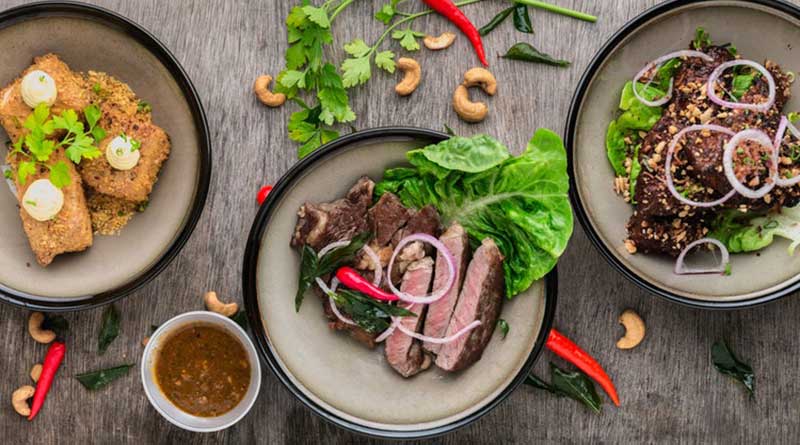 Which ones are good and which ones are bad?You should consume good carbohydrates and be careful with the amount you consume. But what does that mean?Many of the foods we consume are processed. This means that most of its nutrients (minerals, vitamins and enzymes) are eliminated at the time of processing.This can generate that our body suffers a deficit of nutrients and therefore, demand more food.Refined grains such as rice and wheat with which bread is made, desserts and pasta are an example of what we should avoid in our daily diet. When you eat refined flours and sugar your body will ask for more.This is because this type of food is processed more quickly and the body secretes more insulin.That’s why when we choose carbohydrates, we must choose the most natural and high in fiber.For example: oats, whole foods, fruits, vegetables, legumes.These are the ones the body needs.Carbohydrates should not be eliminated, because they are the biggest suppliers of energy in terms of physical and mental activity.You have to eat the right ones and in the necessary amounts.
2. Spending many hours without eating
Food is the fuel of the body.Eating makes people feel more active and healthier. Spending more than four hours without eating causes the hormone that stimulates the appetite to rise and causes you to eat excessively.Try to divide the meals into five daily and eat every three or four hours. This keeps your blood glucose levels stable and, therefore, helps you control your cravings for food.You have to know how to eat and do it in a balanced way.It is key to learn to combine foods between proteins, carbohydrates and vegetables.This mixture will provide everything the body needs: nutrients, energy and minerals.
3. Stress
 Emotions play a fundamental role in the way we feed ourselves.Many people eat without being hungry.They do it to fill emotional gaps, because they feel lonely, are bored or suffer from stress.Other times stress is caused by workloads.People need to reward themselves after an intense day’s work.In these cases the best trophy is a chocolate candy, filled with custard and covered with Swiss meringue, or any other sweet.You have to know that deficiencies, dissatisfactions or personal problems are not resolved through food. No sweet can calm emotional hunger.Cultivating the mind, preparing yourself in the professional field, nurturing your spirituality and exercising your body constitute a form of nutrition.The secret to controlling anxiety is to improve the quality of your diet. Your daily diet should include food with a high nutritional value, because it provides more nutrients and fewer calories.It is important that you increase your fiber intake and drink a lot of water.Sometimes thirst is often confused with the desire to eat.When you have anxiety, drink water and wait for the sensation to disappear. You can control food anxiety naturally with infusions that help control appetite such as green tea or maté herb.You can also practice other activities that are not related to food and help you avoid binge eating.Meditating, walking, doing yoga or listening to music are perfect for this purpose.