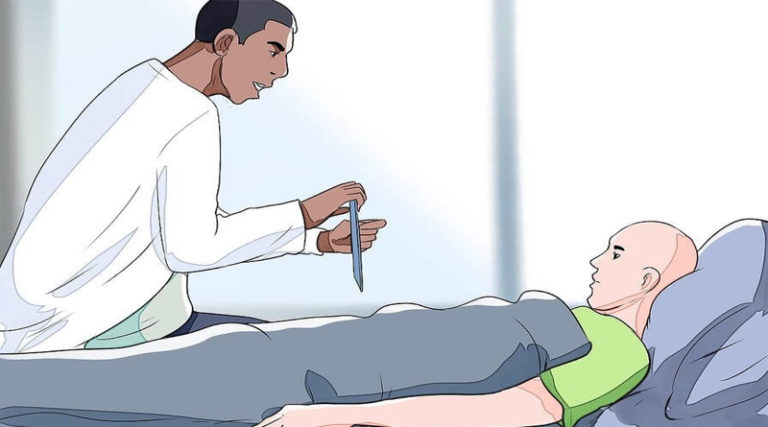
Although it is becoming less frequent, the rejection of the organism to a transplant can be so serious that it can endanger the life of the patient. In spite of the seriousness, it is an avoidable situation to a great extent and even if it happens, it has treatment.
The mechanism by which rejection occurs in transplants is the same by which our body defends itself from infections. Our body is made to attack foreign particles, which in this case are the cells of the transplanted organ.
Immune tolerance and rejection in transplants
 The immune system is responsible for the defense of the body against harmful agents, whether internal, such as altered cells; or external, such as viruses or bacteria. In addition, our body must be able to recognize our own cells so as not to attack them. It is what is called immunological tolerance.
Immunological tolerance depends on the HLA system or major histocompatibility complex. This system is made up of molecules that are recognized by the immune system. There are two large groups of HLA molecules:
HLA-I molecules are proteins present in the membrane of all the cells with nuclei of our organism. The cells of the immune system have receptors for this protein. By recognizing the HLA-I molecule, it recognizes the cell as its own and does not attack it.
If, on the contrary, this molecule is different or is not present, the immune system is activated and the cell is destroyed. After destroying the cell, remains of it are bound to another membrane protein, HLA-II, present only in immune cells. The part of the pathogen that binds to HLA-II is called an antigen.
Then, the antigen is presented to other cells of the immune system and activated, generating a more intense immune response.
Types of rejection in transplants
Depending on the organ transplant, the risk of rejection is greater or lesser. Many factors intervene, such as the recipient’s immune system or the amount of blood that reaches the transplanted organ, among others.
There are three types of rejection according to the time that has passed since the transplant:
Hyperacute rejection
 This reaction occurs during the first 24 hours after the intervention. It is rare, since there must be specific cells against the organ’s antigens.
This occurs when there has already been contact with these antigens. It can occur in blood transfusions if an incompatible blood type is used .
It happens because in our organism, if we are from group A, there are naturally cells against group B blood, and vice versa. It also occurs when the donor’s HLA molecules are incompatible with those of the recipient. It is rare but can force the immediate withdrawal of the organ.
Acute rejection
It happens in the first months after the transplant. The immune system recognizes the transplanted cells as foreign and specific cells ( T lymphocytes ) are created to attack them. These cells take a while to activate, so the interval may vary.
Chronic rejection
 It happens after several months or even years. It is not known exactly what produces it, it seems that in this case the immune response is of less intensity. It occurs mainly in the blood vessels of the organ, which eventually become blocked and may require the transplanted organ to be removed.
Can rejection be avoided in transplants?
There are preventive measures that avoid rejection in transplants to a greater or lesser degree. To choose a suitable donor, you have to make sure that your cells are compatible with those of the recipient. Must take into account:
- Compatibility AB0 , that is, having the same blood group .
- Compatibility of the HLA system . The cells of this system are fundamental in immunological tolerance. Sometimes it is not possible to find a donor with the HLA system identical to the receiver, but we must try to make them as similar as possible.
After the transplant, it is almost always necessary for the recipient to take immunosuppressive drugs. What these drugs do is weaken the immune system to prevent it from intensely attacking the transplanted organ.
The problem is that depressing the immune system has consequences. Subjects with this treatment may require it for life, which predisposes to infections and even cancer .
With these measures, hyperacute rejection is very rare . In the case of acute rejection, it does not have to cause organ failure, it may remit with the administration of more immunosuppressants .
Chronic rejection is the most frequent cause of failure of a transplant. Over the years the organ may end up failing, and another transplant may be necessary.